

A chemical peel Salt Lake City treatment is one of the most effective ways to reverse the damage Utah’s harsh environment inflicts on your skin. From sun spots caused by intense UV exposure at altitude to dullness from chronic dehydration, chemical peels offer a proven solution that resurfaces skin from the inside out — revealing a brighter, smoother, more even complexion beneath.
Key Takeaways
- Chemical peels use controlled acid solutions to remove damaged skin layers and reveal fresh, healthy skin beneath
- Three depths exist: superficial (lunch-break peels), medium, and deep — each targeting different concerns
- Utah’s altitude intensifies UV damage, making chemical peels especially valuable for reversing sun-related skin issues
- Winter and early spring are the ideal seasons for peels in Utah, when UV exposure is lowest
- Prices range from $60 for light peels to $275+ for medium-depth treatments
What Is a Chemical Peel?
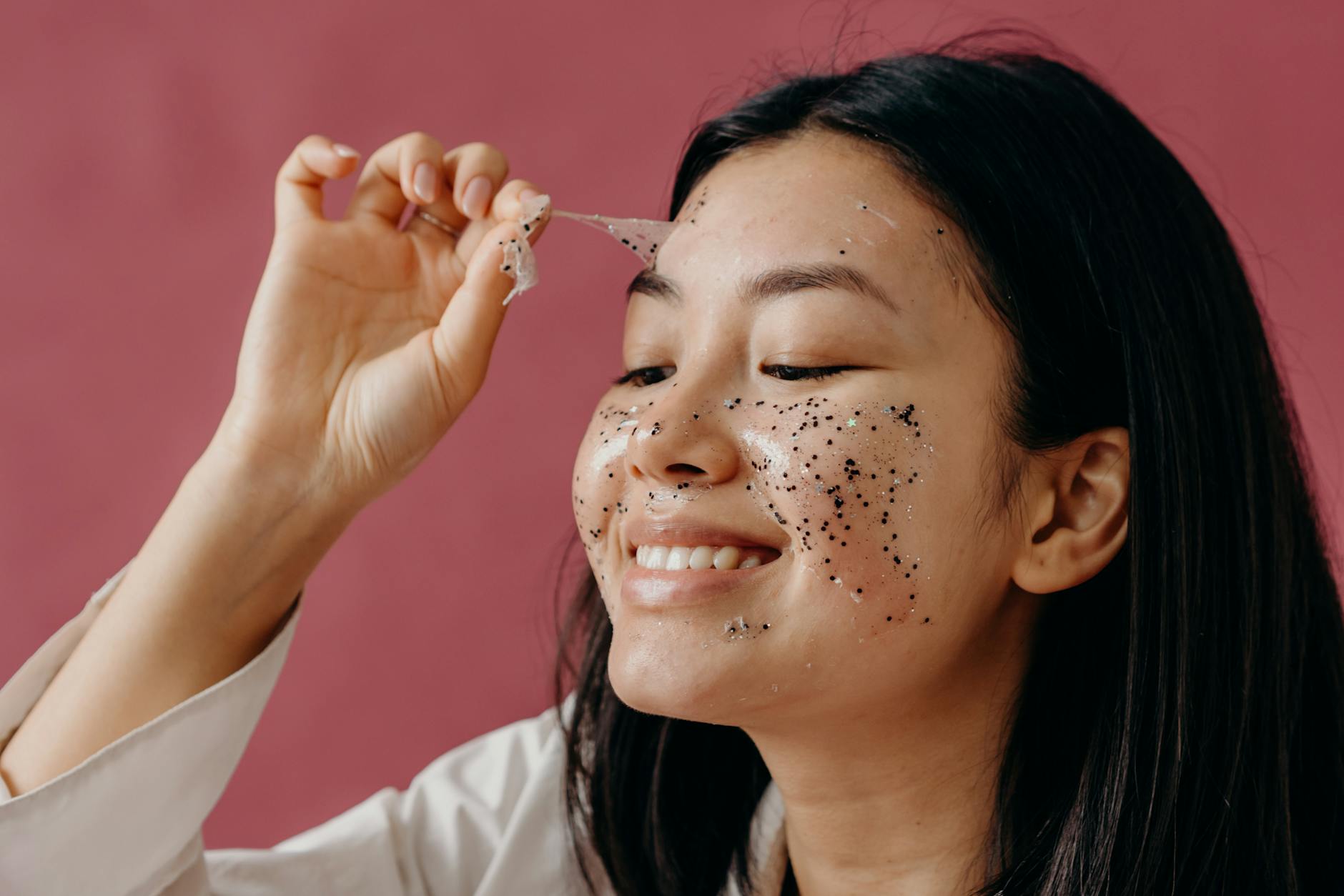
A chemical peel applies a controlled acid solution to the skin’s surface, causing the outermost damaged layers to exfoliate and eventually peel away. As the old skin sheds, new skin cells emerge — smoother, more evenly pigmented, and with improved texture. According to the Cleveland Clinic, chemical peels have been used in dermatology for over 50 years and remain one of the most researched and effective skin resurfacing treatments available.
At Lumière Beauty & Spa, our chemical peel Salt Lake City estheticians customize each peel to your specific skin type, concerns, and tolerance level — ensuring you get maximum results with minimal downtime.

Types of Chemical Peels
Superficial (Light) Peels
Using mild acids like glycolic acid, lactic acid, or mandelic acid, superficial peels remove only the outermost layer of skin (epidermis). These are often called “lunch-break peels” because there’s virtually no downtime. They treat mild discoloration, rough texture, and dullness. Light peels start around $60 to $120 and can be done every 2-4 weeks.
Medium-Depth Peels
Using stronger acids like TCA (trichloroacetic acid) or combination formulas, medium peels penetrate into the upper dermis. They’re significantly more effective for sun damage, moderate pigmentation, acne scarring, and fine lines. Recovery takes 5-7 days of visible peeling. Prices typically range from $180 to $275.
Deep Peels
Using phenol or high-concentration TCA, deep peels penetrate into the lower dermis and produce dramatic results for severe wrinkles, deep scars, and significant sun damage. These require medical supervision, longer recovery (2-3 weeks), and are typically performed only once. Due to their intensity, they’re less common at beauty spas and more typical of dermatology practices.
Why a Chemical Peel Salt Lake City Clients Love
Utah’s environment creates specific skin damage patterns that chemical peels are uniquely suited to address:
- Sun damage and hyperpigmentation — At 4,200 feet, UV radiation is 25% more intense than at sea level. This accelerates melanin overproduction, causing dark spots, uneven tone, and premature aging. Chemical peels remove the pigmented layers to reveal even-toned skin beneath.
- Dry, flaky buildup — Utah’s low humidity causes rapid dead cell accumulation on the skin’s surface. This buildup makes skin look dull, prevents product absorption, and contributes to clogged pores. Peels dissolve this layer more effectively than any scrub.
- Accelerated aging — The combination of UV exposure, dehydration, and wind breaks down collagen faster than in milder climates. Medium-depth peels stimulate collagen renewal, helping reverse and slow this process.

Best Time for a Chemical Peel Salt Lake City Schedule
Timing matters significantly with chemical peels because freshly peeled skin is extremely sensitive to UV exposure. In Utah, the best seasons for a chemical peel Salt Lake City residents should know are:
- Late fall through early spring (October-March) — Lower UV intensity, shorter days, and more time spent indoors make this the ideal peel window
- Avoid June through September — Peak UV months at altitude create too much risk of post-inflammatory hyperpigmentation, even with diligent sunscreen use
That said, superficial peels can be done year-round with proper sun protection. It’s the medium and deep peels that require seasonal planning.
What to Expect During and After a Chemical Peel
During the Treatment
After cleansing, your esthetician applies the peel solution evenly across your face (avoiding eyes and lips). You’ll feel a tingling or mild stinging sensation that typically lasts 2-5 minutes. A neutralizer is applied, followed by soothing serums and moisturizer. The entire session takes 30-60 minutes.
Recovery Timeline
- Superficial peel: Mild pinkness for a few hours. Slight flaking days 2-3. Back to normal by day 4-5.
- Medium peel: Redness and swelling for 1-2 days. Visible peeling days 3-7. New skin revealed by day 7-10.
- Deep peel: Significant swelling and redness for 3-5 days. Heavy peeling for 7-14 days. Full healing in 2-3 weeks.
Aftercare Essentials
- Apply SPF 50 every single day — non-negotiable in Utah
- Do not pick or peel flaking skin — let it shed naturally
- Use gentle, fragrance-free moisturizer multiple times daily
- Avoid retinol, vitamin C, and exfoliating acids until fully healed
- Skip the gym, sauna, and hot yoga until peeling is complete
Chemical Peel Salt Lake City: How It Compares to Other Treatments
Wondering how a chemical peel Salt Lake City treatment compares to other options? Here’s a quick guide:
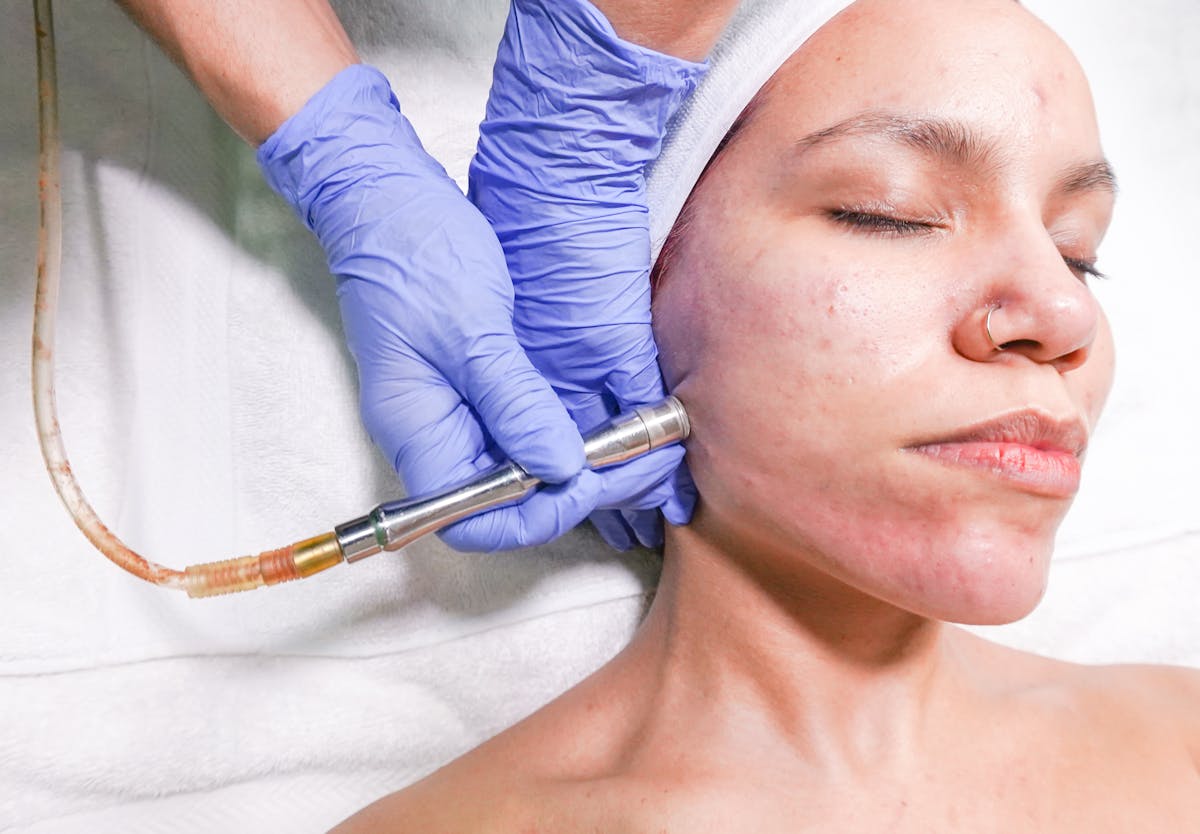
- Chemical peel vs. microdermabrasion — Peels work chemically (acid dissolution), microdermabrasion works mechanically (physical abrasion). Peels penetrate deeper and are better for pigmentation; microdermabrasion is gentler and better for sensitive skin.
- Chemical peel vs. microneedling — Peels resurface from the top down; microneedling stimulates collagen from within. They work beautifully together when alternated. See our microneedling promotion.
- Chemical peel vs. dermaplaning — Dermaplaning removes dead cells and peach fuzz mechanically. Combining dermaplaning before a light peel enhances penetration and results dramatically.
Ready to Reveal Fresh, Glowing Skin?
Book a customized chemical peel at Lumière Beauty & Spa in Murray, Utah. Our estheticians will find the perfect peel for your skin type.
Frequently Asked Questions
Do chemical peels hurt?
Superficial peels cause mild tingling that most people describe as a slight stinging sensation lasting 2-3 minutes. Medium peels are more intense but still very tolerable. Your esthetician can use a fan to cool the skin and will monitor your comfort throughout the process.
How many chemical peels do I need to see results?
You’ll see improvement after one peel, but a series of 3-6 treatments spaced 2-4 weeks apart delivers the most dramatic, lasting results. For significant sun damage or deep pigmentation, a longer series may be recommended.
Can I wear makeup after a chemical peel?
After a superficial peel, you can usually apply mineral makeup the next day. After a medium peel, wait until active peeling has stopped (typically 5-7 days). Using makeup on peeling skin can cause uneven application and increase irritation.
Are chemical peels safe for dark skin tones?
Yes, but the type of peel matters. Darker skin tones carry a higher risk of post-inflammatory hyperpigmentation, so superficial peels with mandelic acid or low-concentration glycolic acid are typically recommended. Always work with an experienced esthetician who understands melanin-rich skin.
What’s the best chemical peel for sun damage in Utah?
For Utah-specific sun damage (brown spots, uneven tone from altitude UV), a TCA-based medium-depth peel or a series of glycolic acid peels delivers the best results. The Perfect Derma Peel and SkinMedica peels are popular choices that specifically target photoaging.