



Does Microneedling Really Build Collagen?
You’ve probably heard the buzz about microneedling and collagen, but you might be wondering: does it actually work, or is it just another skincare trend? Here’s the truth: yes, microneedling really does build collagen, and the science behind it is pretty fascinating. Let me walk you through how this treatment works and why dermatologists are so excited about it.
Key Takeaways
- This is actually pretty clever because you get all the benefits of collagen stimulation without major trauma to your skin
- Your body then generates new collagen fibers, particularly collagen types I, III, and VII, along with tropoelastin (which helps with elasticity)[1]
- 5 mm long—to create controlled micro-injuries in your skin[1]
- Now, before you get nervous about needles, hear me out: these micro-injuries are actually the secret sauce that makes your skin start producing more collagen
What Exactly Is Microneedling?
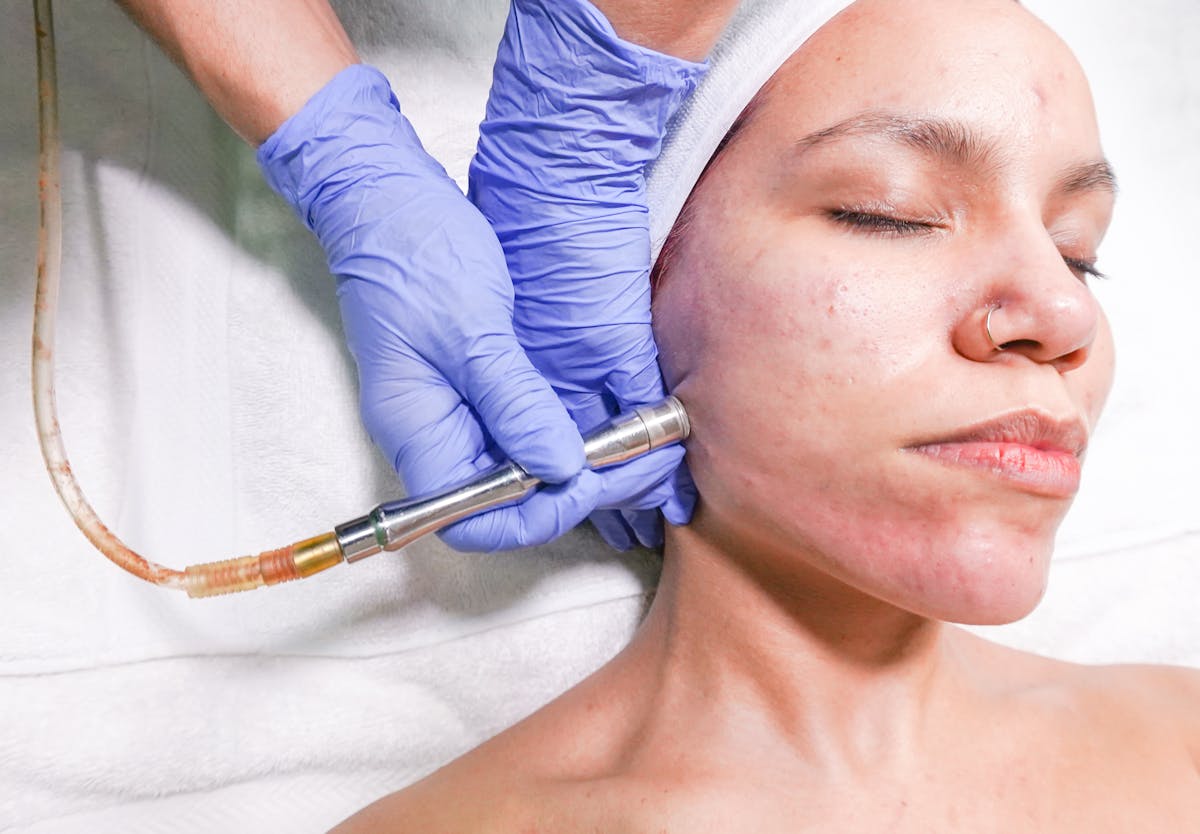
Microneedling, also known as Collagen Induction Therapy (CIT), is a minimally invasive procedure that uses tiny needles—usually between 1 to 1.5 mm long—to create controlled micro-injuries in your skin[1]. Now, before you get nervous about needles, hear me out: these micro-injuries are actually the secret sauce that makes your skin start producing more collagen.
When those fine needles penetrate your skin, they create microscopic punctures that trigger your body’s natural healing response. Your skin doesn’t know the difference between a controlled micro-injury and an accidental scrape, so it springs into action to repair itself. And that’s where the collagen magic happens.
How Does Microneedling Trigger Collagen Production?
Here’s where it gets interesting. When those tiny needles puncture your skin, they activate what’s called the wound-healing cascade[5]. Your body releases growth factors like TGF-alpha, TGF-beta, and platelet-derived growth factor (PDGF)[2]. These growth factors send signals to your fibroblasts—the cells responsible for producing collagen and elastin—telling them to get to work.
The needles penetrate through your outer skin layer and create micro-conduits with minimal damage to the epidermis[2]. This is actually pretty clever because you get all the benefits of collagen stimulation without major trauma to your skin. Your body then generates new collagen fibers, particularly collagen types I, III, and VII, along with tropoelastin (which helps with elasticity)[1].
The Numbers: How Much Collagen Can You Actually Build?
You might see claims online that microneedling increases collagen by up to 400%. Is that real? According to histological studies, yes—this figure is legitimate[1][3]. When you go through multiple microneedling sessions (typically four sessions spaced one month apart), research shows you can see up to a 400% increase in collagen and elastin deposition at six months post-treatment[3].
This isn’t some exaggeration. Scientists have actually examined skin biopsies using techniques like hematoxylin and eosin stains to measure collagen deposition quantitatively and qualitatively[2]. The results show that the new collagen forms in a normal lattice pattern rather than the parallel bundles you’d see in scar tissue, which is why your skin looks and feels better[3].
One study even tracked patients over a year, finding that collagen and elastin deposition increased both quantitatively and qualitatively, with visible improvements in skin texture[2]. That’s real, measurable results.
What Types of Collagen Does Microneedling Build?
Not all collagen is created equal, and microneedling is pretty specific about what it stimulates. Your body produces three main types of collagen in response to treatment:
- Type I collagen: This is your skin’s primary structural protein, responsible for firmness and strength[1]
- Type III collagen: This determines how stretchy your regenerated tissue is, giving it flexibility[1]
- Type VII collagen: This anchoring collagen helps keep everything in place and organized[1]
Your body also produces tropoelastin, which becomes elastin—the protein that gives your skin bounce and elasticity[1][3]. So when you’re getting microneedling done, you’re not just getting more collagen; you’re getting the right types of collagen in the right ratios.
Timeline: When Will You See Results?
Here’s the thing about collagen building: it takes time. You won’t wake up the day after your first microneedling treatment with a completely transformed face. However, research shows a clear timeline for results:
- Within 24 hours: Mild pain and edema (swelling) typically resolve[2]
- At 6 months: Studies show you’ll see significant increases in collagen and elastin deposition[3]
- At 1 year: Histologic analysis shows continued improvement in collagen quality and skin texture[2]
Most people notice improvements in fine lines, wrinkles, pore size, and overall skin texture within a few weeks to a couple of months, especially if they’re consistent with multiple sessions[3]. The depth of this new collagen formation (called neocollagenesis) can reach 5–600 µm with a 1.5 mm needle, so you’re getting deep, meaningful changes[3].
Combining Microneedling With Other Treatments
Want to supercharge your microneedling results? You can combine it with other treatments. Some dermatologists use platelet-rich plasma (PRP) with microneedling, and studies show this combination significantly amplifies collagen synthesis even beyond the standard 400% increase[1]. You can also add topical treatments like vitamin C, retinoids, and hyaluronic acid to enhance results[5].
If you’re interested in professional microneedling treatments, facilities like Lumiere Beauty & Spa offer expert services in this area.
What Problems Can Microneedling Fix?
Microneedling isn’t just for vanity—it actually treats real skin concerns by building collagen:
- Acne scars: The new collagen fills in depressed areas and reorganizes scar tissue into a more normal pattern[3][5]
- Wrinkles and fine lines: More collagen means plumper, smoother skin[3]
- Enlarged pores: Collagen production helps tighten and refine pore appearance[3]
- Loss of elasticity: The tropoelastin and elastin production restores firmness and bounce[1]
The Bottom Line
So does microneedling really build collagen? Absolutely. The science is solid, the studies are peer-reviewed and rigorous, and the results are measurable. When you choose microneedling, you’re not just hoping for results—you’re triggering a biological process that your body has been designed to do naturally. You’re essentially hacking into your skin’s own repair system and telling it to get to work.

Frequently Asked Questions
How many microneedling sessions do I need to see collagen growth?
Most studies show significant results with four sessions spaced one month apart[3]. However, you may notice some improvements after just one or two sessions, with continued improvements over the following months as collagen continues to build[2].
Is microneedling safe for all skin types?
Yes, microneedling is generally safe for all skin types. Patients typically experience only mild pain and edema at the treatment site, which resolves within 24 hours[2]. However, you should consult with a dermatologist about your specific skin concerns.
Can microneedling replace other anti-aging treatments?
Microneedling is highly effective on its own, but it works even better when combined with other treatments like PRP, topical serums, or laser therapy[1][5]. Your dermatologist can recommend the best combination for your needs.
How long does the collagen from microneedling last?
The collagen produced from microneedling continues to improve and reorganize for up to a year post-treatment[2]. The results are long-lasting, though maintaining them typically requires periodic maintenance sessions.
Does microneedling hurt?
Most patients report only mild discomfort during microneedling, and any pain and swelling resolve within 24 hours[2]. Numbing cream is typically applied beforehand to minimize discomfort during the procedure.
Related Articles
Trusted Sources
Ready to Experience Does microneedling really build collagen??
Book your treatment at Lumière Beauty & Spa in Murray, Utah. Expert care for Utah skin.
Frequently Asked Questions
How many Does microneedling really build collagen? sessions do I need?
Most clients see significant improvement after 3-6 Does microneedling really build collagen? sessions spaced 4-6 weeks apart. Maintenance sessions every 2-3 months sustain results long-term.
Does Does microneedling really build collagen? hurt?
Numbing cream is applied 30 minutes before treatment, reducing sensation to mild pressure. Most clients rate discomfort at 2-3 out of 10.
What is the downtime for Does microneedling really build collagen??
Expect 24-48 hours of mild redness similar to a sunburn. You can return to normal activities the next day with gentle skincare and SPF.