



Key Takeaways
- That is what we call sun damage and pigmentation
- Why is it worth treating sun damage and pigmentation
- This guide explains what really happens when skin is overexposed to the sun, how to spot the signs early, and the best ways to repair and protect your skin going forward
- Healthier skin overall: Repairing damage helps your skin function better, stay hydrated, and look more vibrant
Understanding Sun Damage and Pigmentation – Lumière Beauty & Spa, Murray UT
Utah’s high-altitude sun can trigger uneven tone and dark spots. Learn causes, treatments, and prevention from Lumière Beauty & Spa serving Murray and Salt Lake City.
If you have noticed uneven skin tone, new freckles, or a few stubborn dark spots after summer, you are not alone. Utah’s sunny, high-altitude climate is beautiful, yet tough on skin. Over time, UV exposure can quietly change how your skin looks and feels. That is what we call sun damage and pigmentation.
What really happens during sun damage?
Sun damage is not always obvious right away. Each time your skin absorbs UV rays, microscopic changes occur beneath the surface. Over time, they can show up as:
- Uneven skin tone or new brown patches
- Fine lines and rough texture
- Redness, dryness, or irritation
- Premature aging from collagen and elastin breakdown
The sun provides warmth and light, but it also degrades the proteins that keep skin firm and smooth.
Why is it worth treating sun damage and pigmentation?
- Healthier skin overall: Repairing damage helps your skin function better, stay hydrated, and look more vibrant.
- Even tone: Fading dark spots reveals a brighter, more balanced complexion.
- Confidence boost: Clearer, smoother skin often improves self-esteem.
- Long-term protection: Early treatment can help prevent more serious concerns, including skin cancer.
What should you expect from pigmentation treatments?
Treatment plans are tailored to your skin, but most focus on three goals:
- Exfoliation: Gently removing dull, damaged layers to reveal fresh skin.
- Targeted repair: Using active ingredients or technology to lighten pigmentation and restore balance.
- Hydration: Keeping skin nourished so it can heal and protect itself.
At Lumière Beauty & Spa in Murray, Utah, every service begins with an AI Skin Analysis to understand what your skin truly needs.
How do you treat sun damage, step by step?
Step 1: Assess your skin
In natural light, look for uneven tone, dryness, roughness, or new spots. This quick self-check helps you understand what is changing.
Step 2: Consult a professional
Book a consultation with a licensed esthetician or dermatologist. They will differentiate surface dryness from deeper pigmentation that requires targeted care.
Step 3: Choose your treatment plan
- Topical treatments: Vitamin C, niacinamide, or gentle retinoids to fade spots gradually.
- Chemical peels: Professional exfoliation to remove dull, damaged cells.
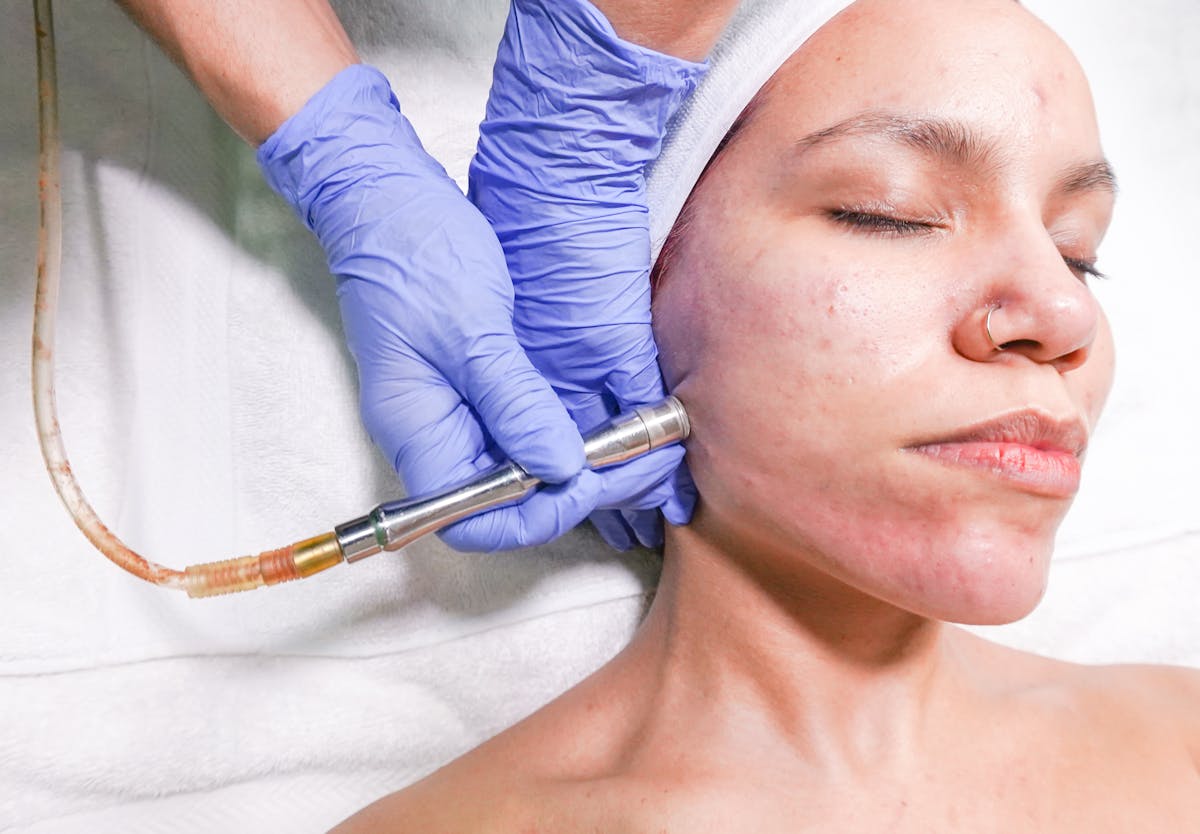
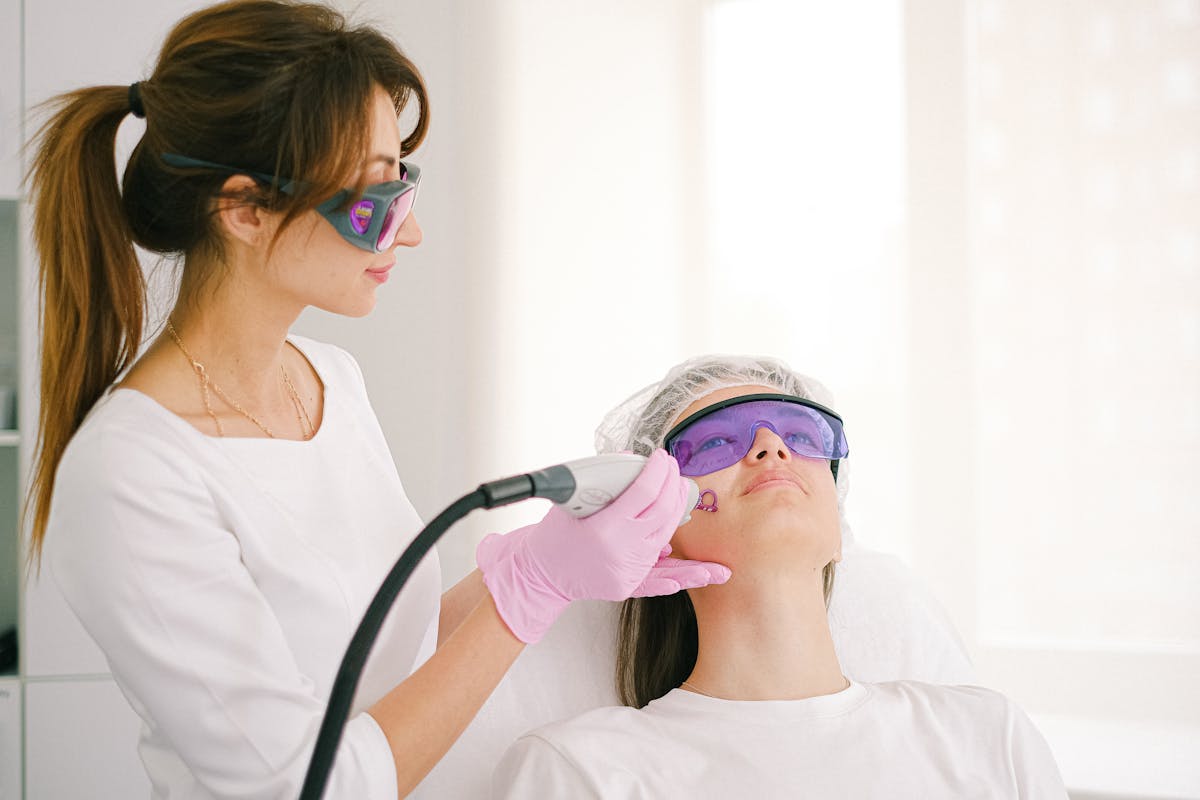
- Laser or LED light therapy: Advanced options that target deeper pigmentation and support collagen.
For more advanced options, review the
cosmetic treatments offered by local medical professionals
at the University of Utah.
Step 4: Build a consistent routine
Daily broad-spectrum sunscreen, a hydrating moisturizer, and gentle exfoliation once or twice a week. Consistency is the real secret to long-term results.
Step 5: Monitor results
Pigmentation fades gradually. Most people notice visible changes in 4–6 weeks with regular care and professional guidance.
What are expert tips for Utah’s dry, sunny climate?
- Apply broad-spectrum SPF 30+ every day, even when it is cloudy or snowing in Salt Lake City.
- Stay hydrated and use a replenishing serum to counter dry air.
- Avoid tanning beds; they worsen pigmentation and speed up aging.
- Schedule an annual skin exam with a dermatologist.
Which common mistakes should you avoid?
- Skipping sunscreen or not reapplying every two hours outdoors
- Over-exfoliating already dry, sensitized skin
- Stopping treatments too early
- DIY use of strong acids without professional advice
How much do sun damage treatments cost?
Pricing varies by skin needs and method. Typical ranges:
| Treatment Type | Average Cost | Frequency |
|---|---|---|
| Topical products | $30–$200 | Daily |
| Chemical peels | $150–$300 | Every 4–6 weeks |
| Laser treatments | $300–$1500 | Every few months |
Ask what is included. Follow-ups, aftercare, and products may affect the total.
What results and timeline should you expect?
- After 1 week: Brighter, smoother texture, especially post-peel.
- After 4–6 weeks: Dark spots begin to fade and tone appears more even.
- After 3 months: Clearer, firmer, more radiant skin with consistent care.
Regular maintenance facials and proper home care help results last longer.
Ready to restore your glow?
Your skin is resilient. With a customized plan, protection, and patience, you can absolutely renew your complexion. If you are ready to begin, reach out to the Lumière team to schedule a consultation. We are located at 6070 S 1300 E, Suite 104, Murray, UT 84121. Call or text (385) 589-0087.

Frequently asked questions
How often should I apply sunscreen?
Apply daily, and reapply every two hours when outdoors.
Do facials help with pigmentation?
Yes. Brightening and exfoliating facials support a more even tone.
How long do chemical peels take to show results?
Many see visible changes within a week, with steady improvements over several weeks.
Is laser treatment suitable for pigmentation?
Yes, when performed by trained professionals with appropriate settings for your skin type.
What does laser treatment usually cost?
$300 to $1500, depending on device, area, and number of sessions.
What are common side effects of chemical peels?
Temporary redness, peeling, and sensitivity that typically resolve within a few days.
When is the best time to start treating sun damage?
Start now. Early care prevents additional damage and speeds results.
Related Articles
Trusted Sources
Ready to Experience Sun damage and pigmentation?
Book your treatment at Lumière Beauty & Spa in Murray, Utah. Expert care for Utah skin.