


What Happens During a Visit to a Red Light Therapy Spa Near Me
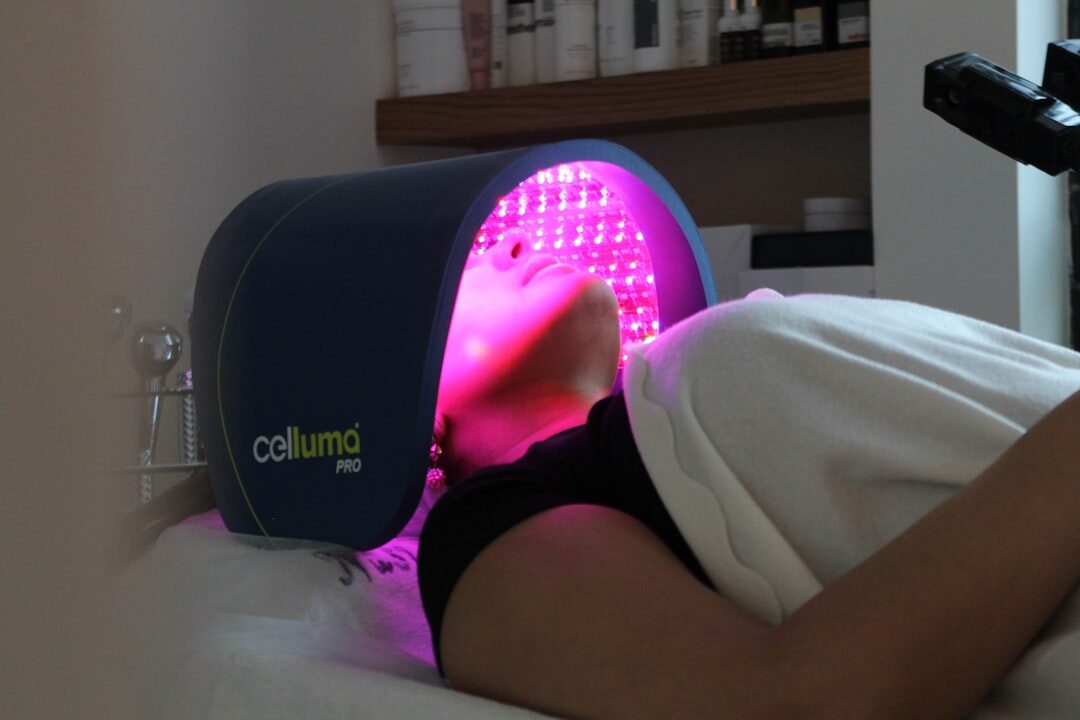
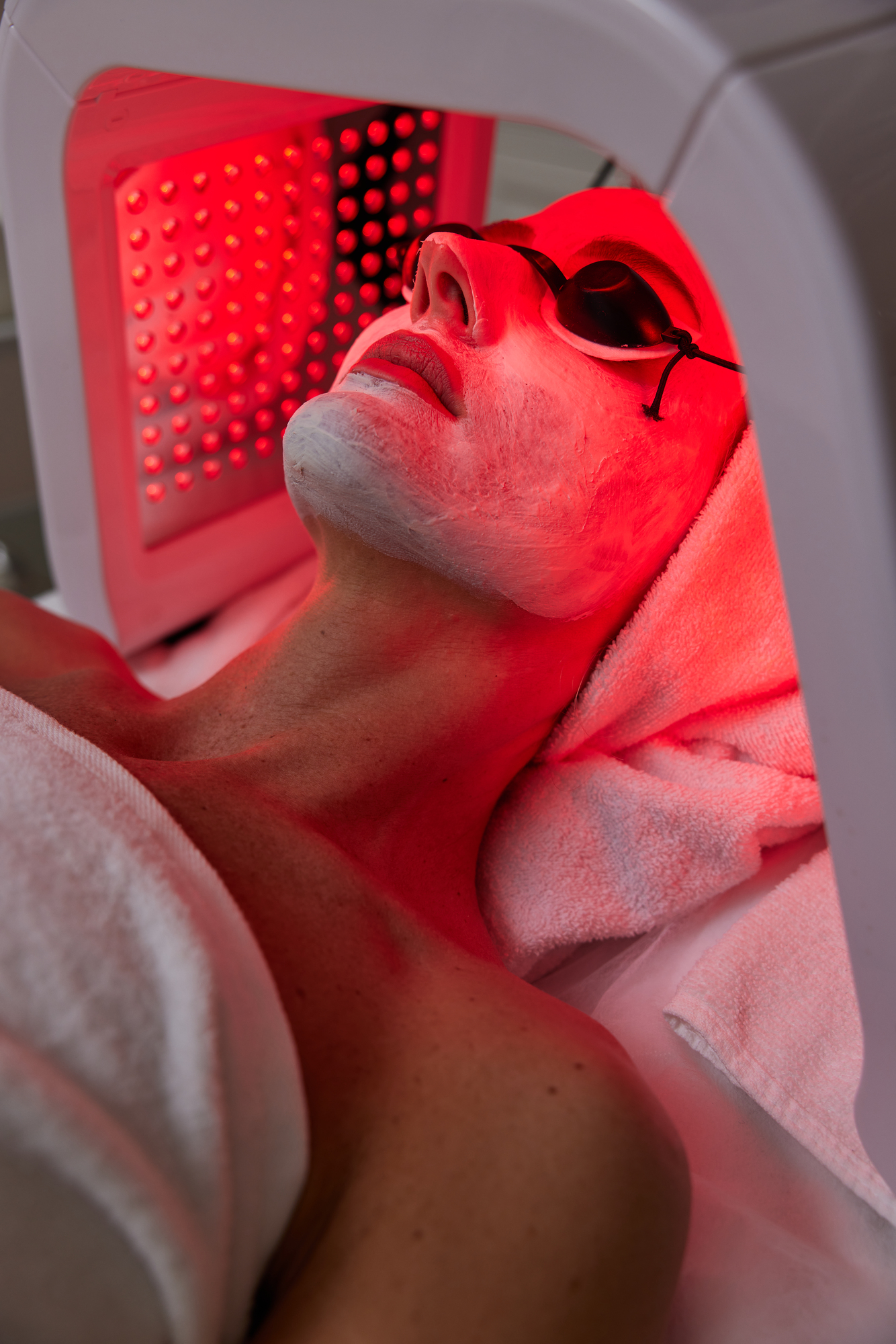
If you’ve typed “red light therapy spa near me” into a search bar recently, you’ve probably noticed the treatment described very differently depending on where you look — a wellness influencer’s at-home mask, a chiropractor’s recovery panel, or an esthetician’s clinical LED device. At Lumière Beauty & Spa, red and near-infrared light therapy is offered as photobiomodulation (PBM), a light-based treatment that works with your skin’s own cells rather than heating, peeling, or resurfacing them. During a session, calibrated red (roughly 620-700nm) and near-infrared (roughly 700-900nm) wavelengths are directed at clean, dry skin for a set period, either as a stand-alone add-on or layered into a broader facial. You’ll typically wear protective eyewear and simply lie back while the device does its work — there’s no discomfort, no needles, and no downtime. Most clients describe the sensation as a gentle, even warmth rather than anything clinical or uncomfortable.
Key Takeaways
- Red and near-infrared light therapy (photobiomodulation) works by fueling mitochondria in skin cells, which supports collagen activity and calms inflammation — it is not a heat or tanning treatment.
- Professional-grade devices deliver stronger, more precisely calibrated wavelengths than consumer masks, which matters because the effect is dose-dependent.
- Expect gradual, cumulative results over a series of sessions rather than a one-visit transformation, with occasional maintenance to sustain the effect.
- At Lumière, this technology is built into our LED Skin Tightening treatment, which pairs light-based cellular support with a protocol designed for firmer, more even-toned skin.
The Science Behind Red and Near-Infrared Light on Skin Cells
The mechanism is more specific than “light is good for skin.” Red and near-infrared photons are absorbed by cytochrome c oxidase, an enzyme in the mitochondria — the energy-producing structures inside every skin cell — with peak absorption around 665nm (red) and 810nm (near-infrared). That absorption boosts ATP production, essentially giving cells more usable energy, and gently modulates reactive oxygen species and calcium signaling inside the cell. Those changes act as cues rather than damage, switching on transcription factors linked to collagen synthesis and reduced breakdown of the skin’s supportive matrix. This is also why the effect is dose-dependent: research on near-infrared exposure has found a specific energy density that maximizes cellular response, with both too little and too much light producing weaker results. It’s a useful reminder that “more light” isn’t automatically better, which is exactly where calibrated, professional equipment earns its keep.
What a Red Light Therapy Spa Near Me Can Help With
According to the American Academy of Dermatology and Cleveland Clinic, red and near-infrared light therapy is most often used for fine lines and early photoaging, mild skin laxity, inflammation and facial redness, acne-related inflammation (frequently paired with blue light), and general skin texture and tone. Some studies also note modest improvement in the appearance of dark spots, though dermatology sources are consistent that this effect tends to be subtle rather than dramatic. Because the light is non-UV and doesn’t work by triggering pigment production or tanning, it’s generally considered appropriate across skin types and tones — though anyone with active inflammation should still be monitored, and a provider should always screen for medications or conditions that increase light sensitivity before you begin. If you’re weighing options at a red light therapy spa near me against an at-home LED mask, the honest answer is that both use the same underlying science; what differs is the strength, precision, and oversight behind the device.
Professional Devices vs. At-Home Red Light Masks
This is where the “near me” part of the search actually matters. Clinic-grade LED and PBM systems deliver higher, more consistent irradiance at the specific red and near-infrared bands shown to be biologically active, and a trained provider can adjust session length, distance, and frequency to your specific concern — acne, redness, or early laxity each call for a slightly different approach. Consumer masks vary enormously in output quality and are better understood as convenience or maintenance tools than as a substitute for in-office treatment. The Cleveland Clinic’s overview of LED light therapy notes that professional oversight also allows for proper contraindication screening, something a mask sitting in your bathroom cabinet simply can’t offer. It’s a fair question to ask any provider directly: what device are they using, and what is it FDA-cleared for? A reputable spa should be able to answer both without hesitation.
Finding the Right Red Light Therapy Spa Near Me: LED Skin Tightening at Lumière
Rather than offering red and near-infrared light as an isolated novelty, Lumière Beauty & Spa built it into our LED Skin Tightening treatment, which uses this photobiomodulation technology to support collagen activity, calm inflammation, and encourage a firmer, more even-toned complexion over a series of visits. We’re candid with clients about what LED can and can’t do: light therapy alone is not a facelift replacement, and for more pronounced skin laxity, a deeper-acting treatment such as our Microneedling + Salmon DNA Serum Infusion is typically the better fit, since it works at a deeper dermal level. LED Skin Tightening is best understood as the low-downtime, cumulative option — ideal on its own for glow and gradual firming, or as a comfortable complement to a more intensive treatment plan. If you’re comparing a red light therapy spa near me for the first time, ask about the specific service protocol, not just the device, since consistency across a series is what drives real results.
Safety, Timeline, and What to Expect
Downtime is essentially none — most clients return to normal activities immediately, with at most a few minutes of mild warmth or light redness. Photobiomodulation is generally not appropriate for anyone taking photosensitizing medications (such as isotretinoin, lithium, or certain antibiotics), anyone with a light-sensitive condition like lupus or porphyria, pregnant clients, or anyone with active skin cancer or a suspicious lesion in the treatment area — a good provider will screen for these before your first visit. Results build gradually: most people see a series of weekly sessions before noticing meaningful change in texture, tone, or fine lines, followed by occasional maintenance visits to sustain the effect, since the improvement is not permanent. If you have questions about whether a treatment is right for your skin, our FAQ page covers many of the most common concerns clients bring to their first appointment.
FAQ
What is red light therapy and how does it work?
Red and near-infrared light therapy, known clinically as photobiomodulation, uses light in the 600-900nm range that’s absorbed by cytochrome c oxidase in skin cell mitochondria. This boosts ATP production and triggers cell-signaling pathways that support collagen production and calm inflammation. It’s a cellular-energy treatment, not a heat or tanning treatment.
How many sessions at a red light therapy spa near me will I need to see results?
Most people need a series of sessions, often weekly, over several weeks to see gradual improvements in texture, fine lines, and redness. Results build cumulatively and typically require occasional maintenance sessions to sustain, similar to how consistent skincare habits compound over time.
Is red light therapy safe for all skin tones?
Yes, generally. Because it’s non-UV light and doesn’t work by tanning or triggering pigment production, it’s considered broadly safe across skin types and tones. Anyone with inflamed skin should still be monitored for temporary post-inflammatory discoloration, and a provider should screen for photosensitizing medications or conditions first.
What’s the difference between a professional treatment and an at-home LED mask?
Med-spa devices deliver higher, more precisely calibrated irradiance at the specific red and near-infrared wavelengths shown to be biologically active, with protocols tailored to your skin concern. Since the benefit is dose-dependent, professional-grade power and clinical oversight generally produce more reliable results than lower-powered consumer devices.
Can red light therapy actually tighten skin, or is that mostly marketing?
Red and near-infrared light supports collagen activity and calms inflammation, which can produce a modest, gradual firming and glow effect. For more pronounced skin laxity, it’s typically most effective as part of a broader treatment plan, such as a LED Skin Tightening series, rather than a single-session fix — results should be framed as subtle-to-modest rather than dramatic.
Trusted Sources
- American Academy of Dermatology: Is Red Light Therapy Right for Your Skin?
- Cleveland Clinic: Red Light Therapy Benefits, Side Effects & Uses
Experience Professional Red and Near-Infrared Light Therapy
Book your treatment at Lumière Beauty & Spa in Murray, Utah. Expert care for Utah skin.


