


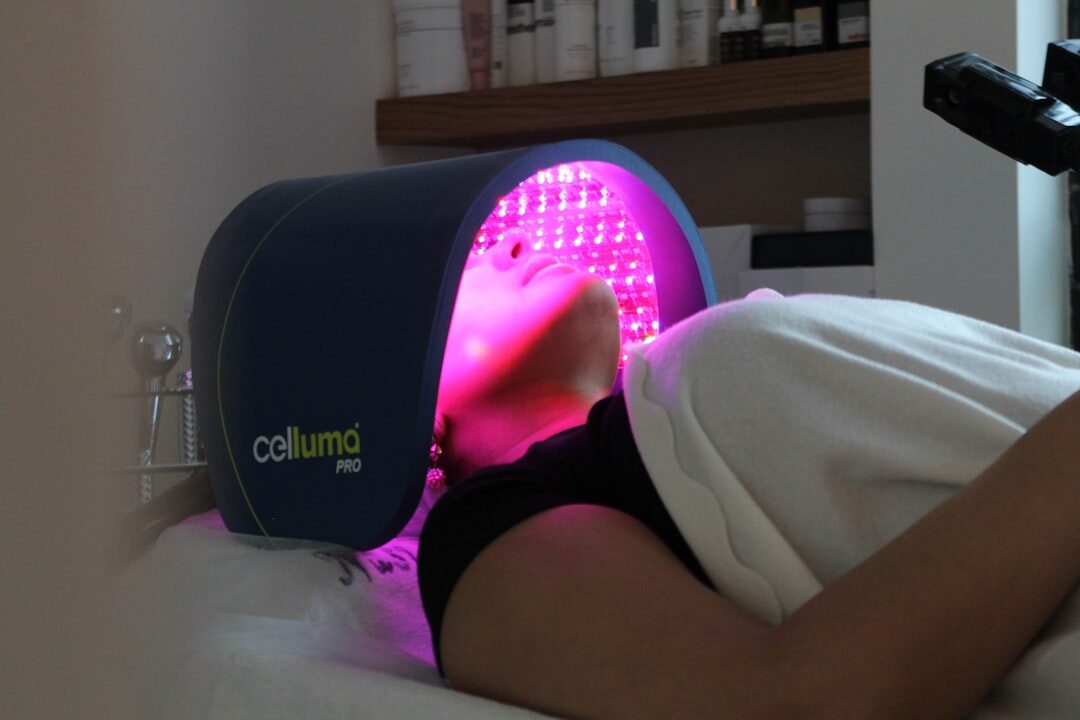
Does Microneedling for Stretch Marks Really Work?
Microneedling for stretch marks is one of the most researched non-surgical options for improving the look of striae distensae, the clinical name for stretch marks, and the honest short answer is: yes, it can meaningfully improve their appearance, though it will not make them disappear entirely. At Lumière Beauty & Spa, clients often ask whether the collagen-stimulating approach behind our Microneedling + Salmon DNA Serum Infusion could help with marks on their body. That service is a facial-focused rejuvenation treatment, but the underlying science of microneedling is well studied beyond the face, so it is worth understanding what the research shows before booking a consultation about your specific concern.
Stretch marks form when skin stretches faster than its collagen and elastic fibers can adapt, causing those fibers to tear at a microscopic level. This is most common during pregnancy, puberty growth spurts, rapid weight changes, quick muscle gain, or long-term corticosteroid use. Newer marks, called striae rubra, look pink or red because they are still vascular and mildly inflamed, while older striae alba have faded to white or silvery and become more scar-like. Left alone, most stretch marks soften somewhat over 6 to 12 months but rarely fade completely, per the Cleveland Clinic.
Key Takeaways
- Peer-reviewed studies show microneedling can improve stretch mark texture, depth, and color, but it does not erase them completely.
- Newer, pink striae rubra typically respond better and faster than older, white striae alba.
- Most protocols call for 3 to 6 sessions spaced 4 to 8 weeks apart, with final results judged around 3 to 6 months after the series ends.
- Compared with fractional CO2 laser, microneedling offers similar effectiveness with notably less risk of pigment changes and less downtime.
How Microneedling for Stretch Marks Works on Your Skin
Microneedling, also known as collagen induction therapy, uses a device covered in very fine needles to create hundreds of controlled micro-injuries in the skin. Those channels trigger the body’s natural wound-healing cascade: platelets activate, fibroblasts get to work, and the skin begins producing fresh type I and III collagen along with new elastin. Over the following weeks, the dermis reorganizes and new blood vessels form in a process called neovascularization.
This matters for stretch marks because it addresses the three things that make them visible: texture, as the dermis thickens and smooths out; depth, as sunken areas gradually fill back in; and color, as revascularization reduces contrast with surrounding skin. Needle depth is adjusted by body area, from roughly 0.5mm on thin skin like the inner arms to 2.5mm on thicker areas like the abdomen, often increasing across a series of sessions. A comparative study in the Aesthetic Surgery Journal found depth does not differ much between striae rubra and striae alba protocols; it is the maturity of the mark, not the depth used, that drives how well it responds.
What the Research Says About Microneedling for Stretch Marks
The clinical evidence behind microneedling for stretch marks has grown substantially. A 2024 systematic review and meta-analysis in Aesthetic Plastic Surgery, pooling 11 studies including six randomized controlled trials, found a statistically significant clinical benefit from microneedling for striae distensae, with post-inflammatory hyperpigmentation occurring less often than with comparator treatments.
A long-term follow-up study that included both light and dark skin tones, published in Dermatologic Surgery, is especially encouraging: every participant saw at least 50 percent improvement after an average of just 1.8 treatments, and 28 percent saw more than 75 percent improvement, with side effects limited to temporary redness and no infections or dyspigmentation reported. A separate randomized study comparing microneedling with fractional non-ablative laser for striae alba found no statistically significant difference between the two. Combination protocols can push results further: pairing microneedling with platelet-rich plasma outperforms microneedling alone, and adding fractional CO2 laser can lift improvement in early striae rubra into the 60 to 70 percent range, though mature striae alba often stays under 30 percent even with aggressive combination therapy.

Realistic Results and Timeline to Expect
Most published protocols and the Cleveland Clinic point to a course of about 3 to 6 sessions, spaced roughly 4 to 8 weeks apart so the skin can heal and collagen can rebuild between visits. Reported improvement ranges from about 30 percent to more than 75 percent, varying by how mature the marks are: newer striae rubra generally respond faster and more completely, while older striae alba show more modest, gradual gains.
Some texture changes may be noticeable within the first few weeks, but true improvement builds gradually as collagen remodels, so final results are typically judged 3 to 6 months after completing the series, with an occasional annual maintenance visit after. Downtime is short compared with resurfacing procedures: expect redness, mild swelling, and tenderness for 1 to 3 days, with possible bruising and up to about 5 days of visible redness, plus a few extra days of dryness or flaking.
Microneedling vs. Laser and Other Stretch Mark Treatments
When people compare options, fractional CO2 laser is usually the main procedural alternative. A 2025 meta-analysis found microneedling and fractional CO2 laser produce similar clinical improvement and satisfaction, benefiting over 70 percent of patients in both groups, but microneedling emerged as the safer option, with a notably lower hyperpigmentation risk. That makes it an appealing middle ground: comparable results with less pigment risk and less downtime than laser resurfacing.
Other alternatives fall further behind. Topical retinoids offer modest benefit, mostly for early, still-red marks, and require at least six months of consistent use. Dermabrasion is more invasive and needs two or more weeks of healing. Chemical peels and microdermabrasion are largely surface-level, with limited evidence for true dermal remodeling and higher irritation risk in darker skin. Radiofrequency microneedling, a hybrid approach, may suit darker skin tones well. Over-the-counter oils like cocoa butter are fine for hydration but not a reliable treatment for established marks on their own.
Who Is (and Isn’t) a Good Candidate for Microneedling
Microneedling is generally not appropriate for anyone with active acne, an open wound, or an active skin infection in the treatment area, and it should be postponed for anyone pregnant or on active anticoagulant therapy or with a diagnosed clotting disorder. A history of keloid or hypertrophic scarring is another reason to talk with a provider first, as is recent isotretinoin use, since most protocols recommend waiting at least six months after your last dose. The Cleveland Clinic also flags eczema or psoriasis flares in the area, active chemotherapy, and changing moles nearby as reasons to check with a provider first.
Darker skin tones are not an automatic disqualifier, but hyperpigmentation is the main risk to watch for, which is why a trained provider using conservative settings matters. If you are curious whether microneedling could help an area of concern beyond the face, the best next step is a consultation, where we can discuss your skin and history and honestly whether the technique is a good fit for you. You can book a consultation with our team to talk it through.
FAQ
Can microneedling completely remove stretch marks?
No. Peer-reviewed studies and sources like the Cleveland Clinic are consistent that microneedling improves the appearance of stretch marks, reducing depth, softening color, and improving surface texture, but it does not erase them completely. Realistic outcomes reported in clinical studies range from roughly 30 percent to more than 75 percent visible improvement, depending on how mature the marks are, skin tone, and how many sessions are completed.
How many microneedling sessions will I need to see a difference in stretch marks?
Most published protocols and the Cleveland Clinic both point to a course of about 3 to 6 sessions, spaced roughly 4 to 8 weeks apart to allow the skin to heal and collagen to rebuild between visits. Some clinical studies found meaningful improvement of 50 percent or more after as few as 1 to 3 monthly treatments, though final results are usually best judged 3 to 6 months after finishing the full series, since collagen remodeling continues well after visible redness fades.
Does microneedling work better on new (red) stretch marks or old (white) ones?
Newer striae rubra, which are pink or red and still vascular, generally respond better and faster to microneedling than mature striae alba, which are white or silvery and more scar-like. That said, clinical studies have shown improvement is possible for both stages, it is simply more modest and may take a longer series for older, established marks.
Is microneedling safe for stretch marks on darker skin tones?
Microneedling is not off-limits for darker skin tones, but post-inflammatory hyperpigmentation is the main risk to be aware of, and it calls for a trained provider using more conservative needle depths. Notably, multiple comparative studies have found microneedling actually carries a lower hyperpigmentation risk than fractional CO2 laser, one of its main procedural alternatives, making it a comparatively safer option across a range of skin tones when performed correctly.
Who should not get microneedling for stretch marks?
Microneedling should be avoided or postponed for anyone with active acne or a skin infection in the treatment area, a personal history of keloid or hypertrophic scarring, pregnancy, a blood clotting disorder or active anticoagulant use, or recent isotretinoin use, typically within the last six months. People with eczema or psoriasis flares in the area, or who are undergoing chemotherapy, should also check with a provider first. A consultation is the right way to confirm candidacy before booking.
Trusted Sources
- Stretch Marks: What Are They, Causes & Treatments — Cleveland Clinic
- Microneedling Therapy for Striae Distensae: Systematic Review and Meta-Analysis — PubMed
Curious If Microneedling Is Right for Your Skin?
Book your treatment at Lumière Beauty & Spa in Murray, Utah. Expert care for Utah skin.