
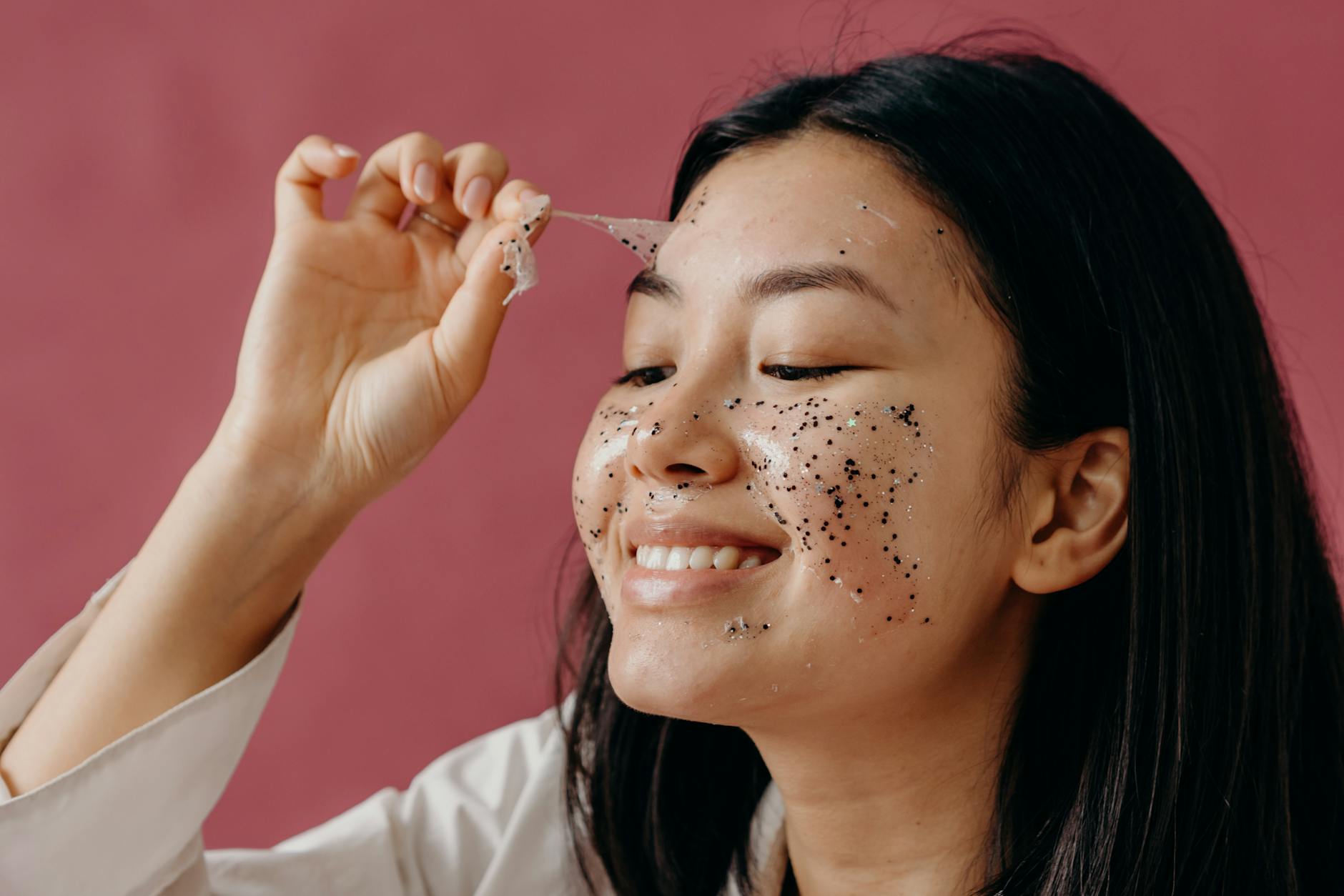


What Happens at a Chemical Peel Consultation, Step by Step
A chemical peel consultation is a short, medical-style screening visit that happens before any acid ever touches your skin, and if the idea of that first appointment makes you a little nervous, you are not alone. At Lumière Beauty & Spa, we treat this conversation as the most important part of the entire process, because the right chemical peel for your neighbor’s skin may be the wrong one for yours. Nothing about the consultation is rushed, and nothing gets applied to your face that day.
Key Takeaways
- A chemical peel consultation includes a skin exam, a Fitzpatrick skin-type assessment, and a full review of your medical history and current products.
- Your provider matches peel type and strength to your skin tone, since darker skin carries a higher risk of post-peel discoloration.
- Pregnancy, recent Accutane use, active cold sores, and recent sun exposure are among the most common reasons a peel gets postponed.
- Aftercare, including sun protection and a realistic downtime timeline, is planned out before you ever sit down for treatment.
During your first few minutes together, your esthetician will look closely at your skin and ask about your goals, whether that is fading acne marks, softening fine lines, or simply getting rid of dull, rough texture. They will also ask what is currently irritated or inflamed, because active breakouts or a compromised skin barrier can change the recommendation entirely. This part of the visit is conversational, not clinical, and it is where most people start to relax.
How Your Provider Chooses the Right Peel Strength
Once your skin has been assessed, your provider will classify it on the Fitzpatrick scale, a I-through-VI system based on how your skin responds to sun exposure. This matters more than most first-timers expect: lighter and superficial peels, like gentle glycolic or lactic acid formulas, are considered safe across every skin type, while medium-depth options such as TCA or Jessner solutions require more caution in Fitzpatrick IV through VI skin because of a higher risk of post-inflammatory hyperpigmentation.
Salicylic acid (BHA) peels tend to be a favorite starting point for oily or acne-prone skin because they are well tolerated across nearly every skin tone. Superficial peels are also frequently done as a short series rather than a single visit, since cumulative sessions tend to produce smoother, more even results than one treatment alone. Your provider will walk you through exactly which category fits your skin before recommending anything.
Contraindications Every Chemical Peel Consultation Should Screen For
Part of what makes a proper chemical peel consultation worth the appointment is the screening that happens before treatment is ever scheduled. Your provider will ask about pregnancy or breastfeeding, since many peels are avoided altogether during that window. They will also ask about recent isotretinoin (Accutane) use, which is flagged because it can delay healing and raise the risk of scarring.
Other things your provider checks for include an active cold sore or herpes simplex history (patients with a history may be offered a preventive antiviral around the procedure), recent sunburn or tanning, a history of keloid or raised scarring, and any autoimmune or significant systemic condition that could slow healing. None of this is meant to feel like an interrogation. It is simply how a provider makes sure the peel that gets chosen is genuinely safe for you, not just effective on paper.

Aftercare Planning Starts Before You Ever Get a Peel
A good chemical peel consultation does not end once a peel type has been chosen. Your provider will also map out aftercare, because how you treat your skin in the days after treatment matters almost as much as the peel itself. That typically means daily broad-spectrum sunscreen, a gentle fragrance-free cleanser and moisturizer, and a firm reminder to skip scrubs, retinoids, saunas, and picking at any flaking skin while it heals.
Downtime depends entirely on depth. Light, superficial peels usually bring mild redness and flaking that resolves in roughly three to seven days, often with little real interruption to your week. Medium-depth peels involve more noticeable redness, crusting, or peeling for about one to two weeks, with results continuing to improve for a few weeks after that. Setting this expectation up front, rather than after your appointment, is exactly why the consultation exists.
Chemical Peel vs. Microdermabrasion vs. Microneedling
Part of a thorough consultation is making sure a chemical peel is actually the right tool for your goals, not just the most familiar one. A chemical peel uses an acid solution to exfoliate deeper layers of skin, making it a strong option for active acne, fine lines, and stubborn pigment. Microdermabrasion is gentler still, mechanically polishing away just the outermost layer with little to no downtime, which makes it a better fit for mild dullness than for active breakouts. Microneedling with salmon DNA serum infusion works differently altogether, using controlled micro-injury to stimulate collagen, which tends to make it the better choice for acne scarring and deeper texture concerns once active breakouts are under control.
There is no single “best” option among the three. There is only the option that fits your skin, your tolerance for downtime, and your goals, which is precisely what a consultation is designed to sort out before you commit to anything.
FAQ
What actually happens during a chemical peel consultation?
Your provider examines your skin, asks about your goals and concerns, classifies your skin type on the Fitzpatrick scale, reviews your medical history and current medications or skincare products, and recommends a specific peel type and strength suited to your skin. They also walk through contraindications and set realistic expectations for downtime and aftercare before any treatment is scheduled.
Is a chemical peel safe for darker skin tones?
Yes, when the peel type and depth are chosen carefully. Because darker skin (Fitzpatrick IV through VI) carries a higher risk of post-inflammatory hyperpigmentation, providers often start with gentler options like salicylic acid peels, which are well tolerated across all skin tones, and use extra caution with stronger TCA or medium-depth peels. Matching peel strength to your individual skin type is exactly what your consultation is for.
What disqualifies someone from getting a chemical peel?
Common reasons a peel may be postponed include pregnancy or breastfeeding, current or recent isotretinoin (Accutane) use, an active cold sore or other active skin infection, recent sunburn or tanning, a history of keloid or abnormal scarring, and certain autoimmune or systemic health conditions. Screening for these is one of the main purposes of the consultation itself.
How much downtime should I expect after a chemical peel?
It depends on depth. Light, superficial peels, the most common starting point for first-timers, typically involve just three to seven days of mild redness and flaking, often with no real interruption to daily life. Medium-depth peels involve more noticeable redness, crusting, or peeling for about one to two weeks. Your provider will set the right expectation for the specific peel recommended for you.
How is a chemical peel different from microdermabrasion or microneedling?
All three resurface skin, but they work differently. Microdermabrasion is the mildest, mechanically polishing away just the outermost layer with minimal downtime, best for mild texture and dullness. A chemical peel uses an acid solution to exfoliate deeper layers, making it a strong option for acne, fine lines, and pigment issues. Microneedling creates controlled micro-injuries to stimulate collagen and is often the better choice for acne scarring and deeper texture concerns. Your consultation is where a provider matches the right one to your skin.
Trusted Sources
- American Academy of Dermatology — Chemical Peels: Preparation
- Cleveland Clinic — Chemical Peels: Types, Conditions Treated, and What to Expect
Ready for Your Own Chemical Peel Consultation?
Book your treatment at Lumière Beauty & Spa in Murray, Utah. Expert care for Utah skin.